

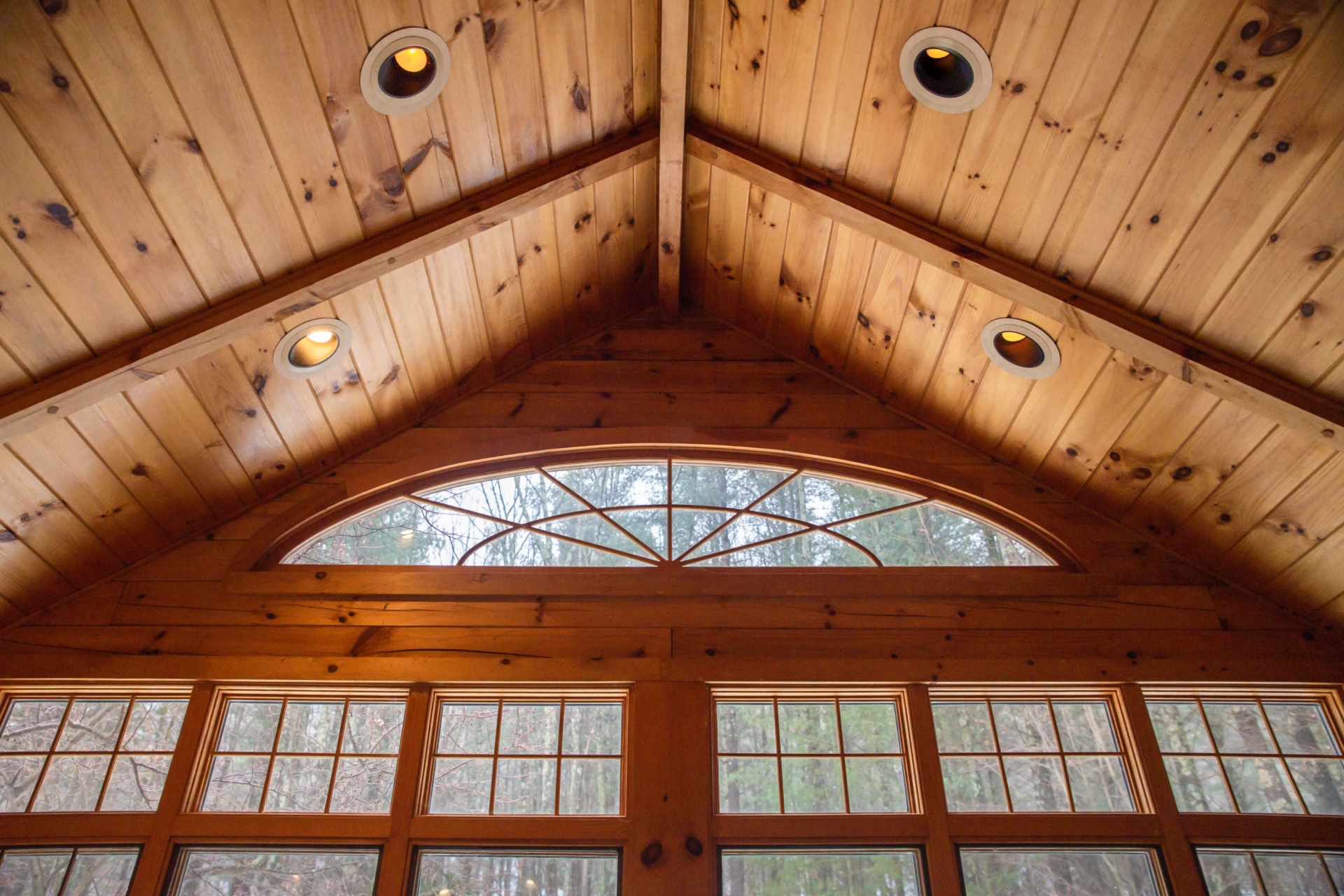
Shiplap vs Tongue and Groove vs Nickel Gap: Interior Paneling Compared
Wood wall and ceiling paneling has become one of the most popular ways to add warmth, texture, and character to a home. Whether you’re designing a log cabin, renovating a lake house, updating a mountain retreat, or simply bringing natural materials into your living space, choosing the right interior wood paneling can make a significant difference in the final look.
Many homeowners begin their search by comparing shiplap vs tongue and groove. Along the way, they often encounter nickel gap paneling as another option. While these products may appear similar at first glance, they differ in how they are manufactured, installed, and ultimately how they look once finished.
Understanding the differences can help you choose the right material for your project and avoid costly design mistakes.
Understanding Interior Wood Paneling Options
Before comparing the three styles, it helps to understand what they all have in common.
Shiplap, tongue and groove, and nickel gap are all forms of interior wood paneling. They can be installed on walls, ceilings, accent features, porches, and other interior spaces. All three provide a finished wood appearance, but the board profiles create distinct visual effects.
The right choice depends on your design goals, installation preferences, and the overall style of your home.
What Is Shiplap?

Shiplap is a type of wood siding or paneling that uses overlapping rabbeted edges. Each board has a notch cut into the top and bottom edges, allowing adjacent boards to overlap slightly.
Historically, shiplap was used on barns, sheds, and exterior structures because the overlapping joints helped reduce air and moisture infiltration. Today, it is commonly used indoors as a decorative wall and ceiling treatment.
Characteristics of Shiplap
- Overlapping board design
- Visible horizontal shadow lines
- Traditional farmhouse appearance
- Relatively simple installation
- Works well on walls and ceilings
Shiplap became especially popular during the farmhouse design trend, but it can also complement coastal, rustic, and transitional interiors.
What Is Tongue and Groove Paneling?
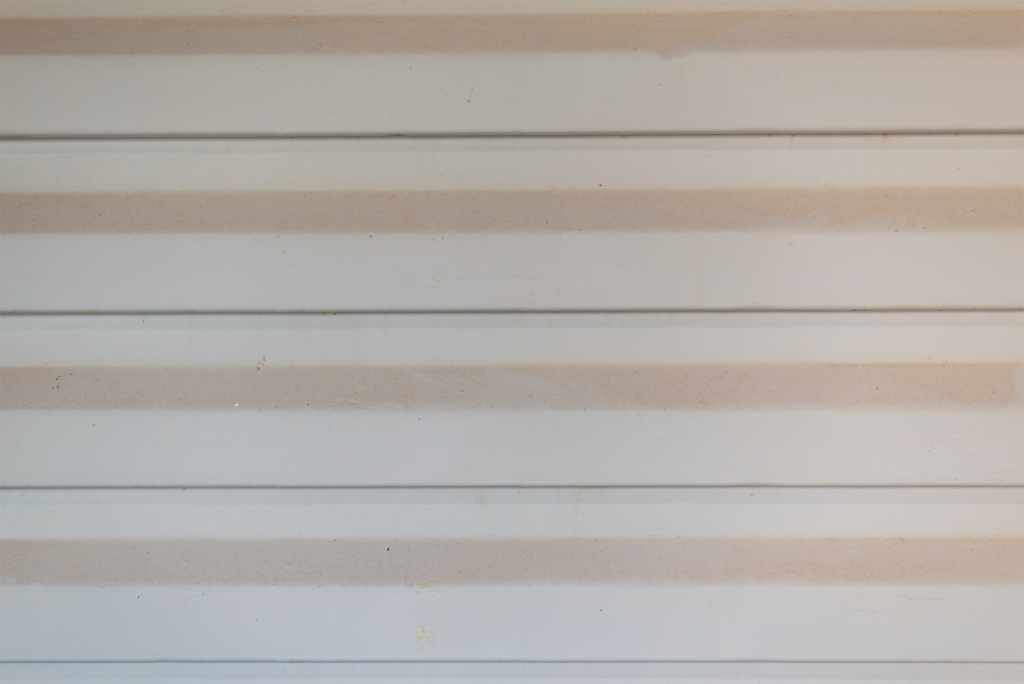
Tongue and groove paneling uses an interlocking system where one board contains a protruding tongue and the adjacent board contains a matching groove. The boards fit tightly together to create a secure connection.
Because the boards interlock, tongue and groove paneling is often preferred for ceilings and larger wall installations where stability and alignment are important.
Characteristics of Tongue and Groove
- Interlocking tongue and groove profile
- Secure and stable installation
- Clean and refined appearance
- Suitable for walls and ceilings
- Available in multiple profile styles
Many homeowners choose tongue and groove for cabins, timber frame homes, and high-end residential projects because it creates a polished finished appearance while still showcasing natural wood character.
What Is Nickel Gap Paneling?
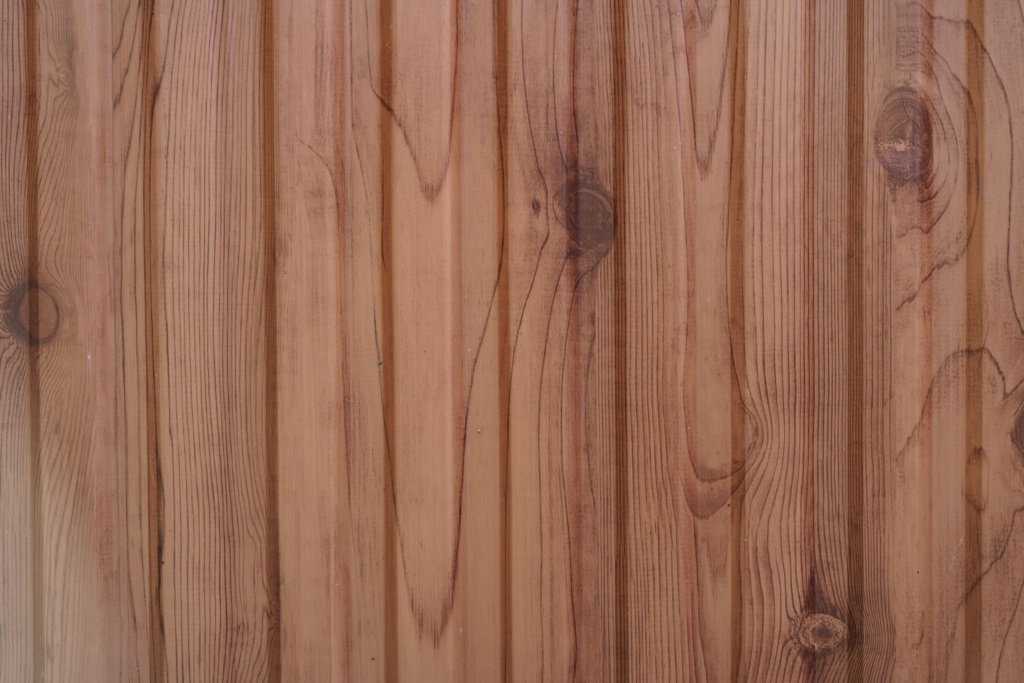
Nickel gap paneling is often confused with shiplap because both styles create a visible gap between boards. However, nickel gap tongue and groove paneling is actually manufactured with a tongue and groove connection.
The difference is that the profile is designed to leave a consistent reveal between boards after installation. The gap is approximately the width of a nickel, which is where the name originates.
Characteristics of Nickel Gap
- Tongue and groove installation system
- Consistent spacing between boards
- Modern, clean appearance
- Strong and stable connection
- Popular in contemporary and transitional designs
Nickel gap offers many of the installation benefits of tongue and groove while creating the shadow line aesthetic that homeowners often associate with shiplap.
Shiplap vs Tongue and Groove: Key Differences
When comparing shiplap vs tongue and groove, several important differences stand out.
Installation
Shiplap relies on overlapping edges. While installation is generally straightforward, maintaining perfectly consistent spacing can sometimes be more challenging.
Tongue and groove boards lock together naturally, helping create uniform alignment throughout the installation.
For larger walls and ceilings, many builders prefer tongue and groove because the interlocking connection helps reduce movement and improves stability.
Appearance
Shiplap creates a more rustic and casual appearance with visible shadow lines between boards.
Tongue and groove can create a nearly seamless look or a subtle reveal depending on the profile selected.
If your goal is a cleaner and more finished aesthetic, tongue and groove is often the preferred choice.
Stability
Because tongue and groove boards interlock, they tend to perform exceptionally well in environments where seasonal expansion and contraction occur. Understanding wood properties and performance characteristics can help homeowners choose the best paneling profile for their climate and application.
Shiplap also accommodates wood movement, but the connection is not as mechanically secure as a tongue and groove profile.
Design Style
Shiplap is commonly associated with:
- Farmhouse interiors
- Coastal homes
- Rustic spaces
- Casual living areas
Tongue and groove is frequently used in:
- Log homes
- Timber frame homes
- Luxury cabins
- Mountain retreats
- Traditional residential designs
Nickel Gap vs Tongue and Groove
Since nickel gap uses a tongue and groove connection, these products are more closely related than many people realize.
The primary difference is visual rather than structural.
Standard tongue and groove profiles can create a tighter appearance with minimal visible gaps. Nickel gap is intentionally designed to maintain a consistent reveal between boards.
Choose Traditional Tongue and Groove If You Want:
- A more seamless wood surface
- Traditional cabin aesthetics
- Rustic or historic appeal
- Minimal visible gaps
Choose Nickel Gap If You Want:
- Clean modern lines
- Consistent shadow reveals
- Contemporary design appeal
- A balance between modern and rustic styles
Which Paneling Style Works Best in Log Homes and Cabins?
For many log homes, timber frame homes, and cabins, tongue and groove remains the most popular choice.
The interlocking profile complements exposed beams, natural wood finishes, and handcrafted architectural elements. Tongue and groove ceilings, in particular, have become a signature feature in many cabin designs.
Nickel gap has also gained popularity in modern cabin projects where homeowners want a cleaner and more contemporary appearance without losing the warmth of natural wood.
Shiplap can still work beautifully in cabins, especially in accent walls, bedrooms, bathrooms, and farmhouse-inspired spaces.
Wood Species Matter Just as Much as Profile
Choosing between shiplap, tongue and groove, and nickel gap is only part of the decision.
The wood species you select will also influence appearance, durability, and overall character.
Popular options include:
- Eastern White Pine
- Southern Yellow Pine
- Douglas Fir
- Cedar
- Blue Stain Pine
Each species offers unique grain patterns, color variation, and design possibilities.
For homeowners seeking a natural cabin aesthetic, Eastern White Pine remains one of the most popular choices for interior wood paneling due to its warmth, workability, and timeless appearance. If you’re comparing species, our guide to Eastern White Pine vs Southern Yellow Pine can help you understand the differences before selecting materials.
How to Choose the Right Interior Wood Paneling
The best choice depends on the look you’re trying to achieve.
Choose shiplap if you prefer a farmhouse or casual rustic style with visible shadow lines.
Choose tongue and groove if you want a traditional, durable, and versatile solution that works beautifully in cabins, timber frame homes, and residential interiors.
Choose nickel gap if you want the clean lines of modern design combined with the strength and stability of a tongue and groove system.
When selecting paneling, it is also important to consider board widths, wood species, finish options, and how the material will coordinate with the rest of your home.
Finding Quality Wood Paneling for Your Project
Whether you’re building a new cabin, remodeling a lake house, or updating a single room, quality materials make a difference in both appearance and long-term performance.
At Reliance Timber, we provide mill-direct wood products for builders, contractors, and homeowners across the country. From interior wood paneling and tongue and groove boards to timbers, beams, and specialty wood products, our team helps customers find materials that fit their vision and budget.
If you’re comparing shiplap vs tongue and groove or considering nickel gap for your next project, contact Reliance Timber to discuss your options and find the right wood products for your build.