

Poplar Bark Siding for Log Homes: Natural, Beautiful, and Durable
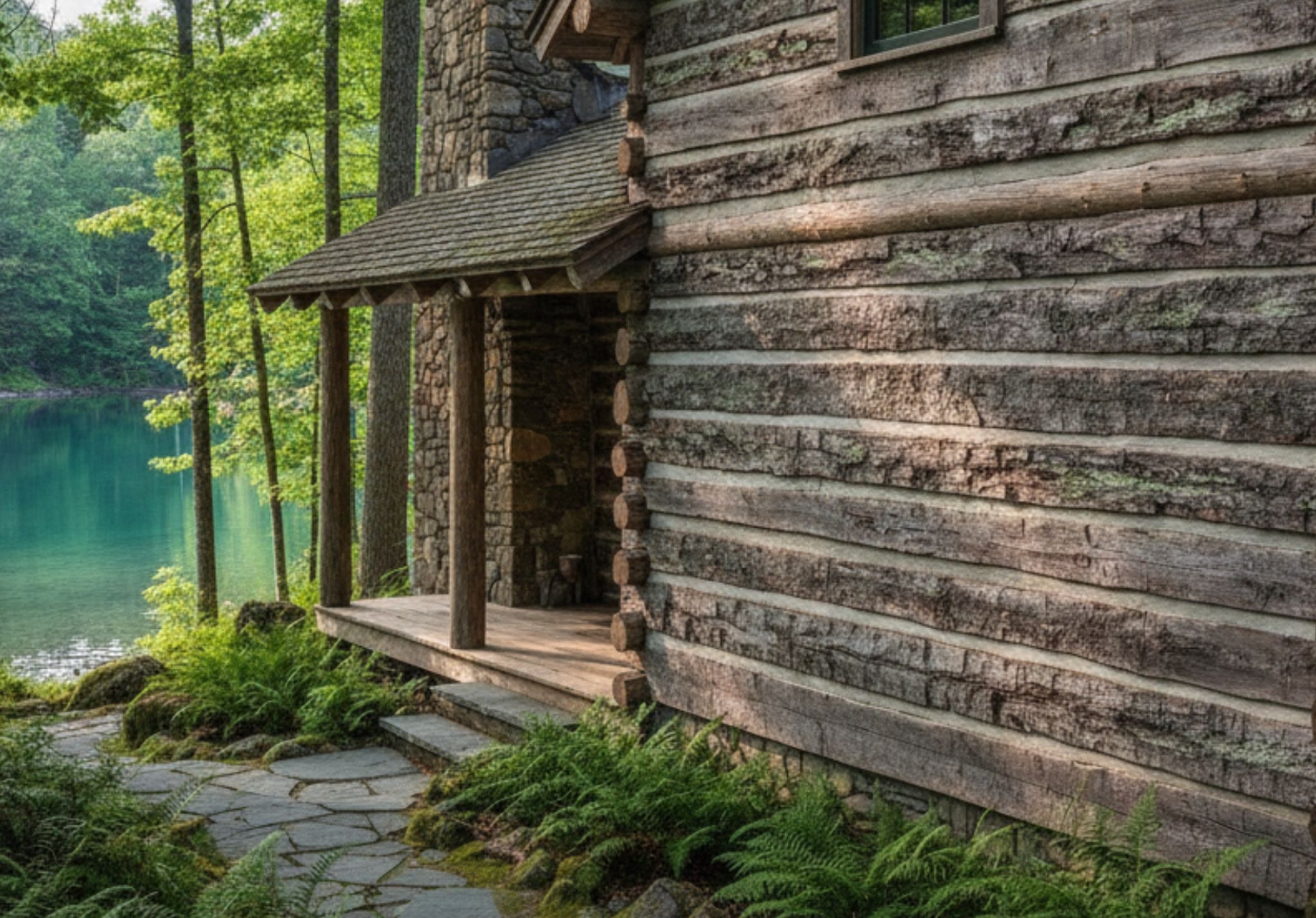
Poplar bark siding is one of the most distinctive materials available for log homes, mountain cabins, and rustic retreats. When people picture a rustic mountain cabin, they often imagine natural wood, exposed beams, stone fireplaces, and materials that feel connected to the surrounding landscape.
One of the best ways to create that authentic look is with poplar bark siding.
This unique exterior cladding offers a natural appearance that is difficult to replicate with manufactured products. It creates texture, character, and warmth while helping a home blend naturally into wooded environments.
Many builders and homeowners are surprised to learn that poplar bark siding is not just attractive. Properly harvested and installed bark siding is also durable, low maintenance, and capable of lasting for decades.
Whether you are designing a mountain retreat, a custom log home, a lake cabin, or a rustic commercial property, this natural bark siding material remains one of the most unique exterior cladding options available.
What Is Poplar Bark Siding?
This natural bark cladding is made from the outer bark of tulip poplar trees, which are native to the eastern United States.
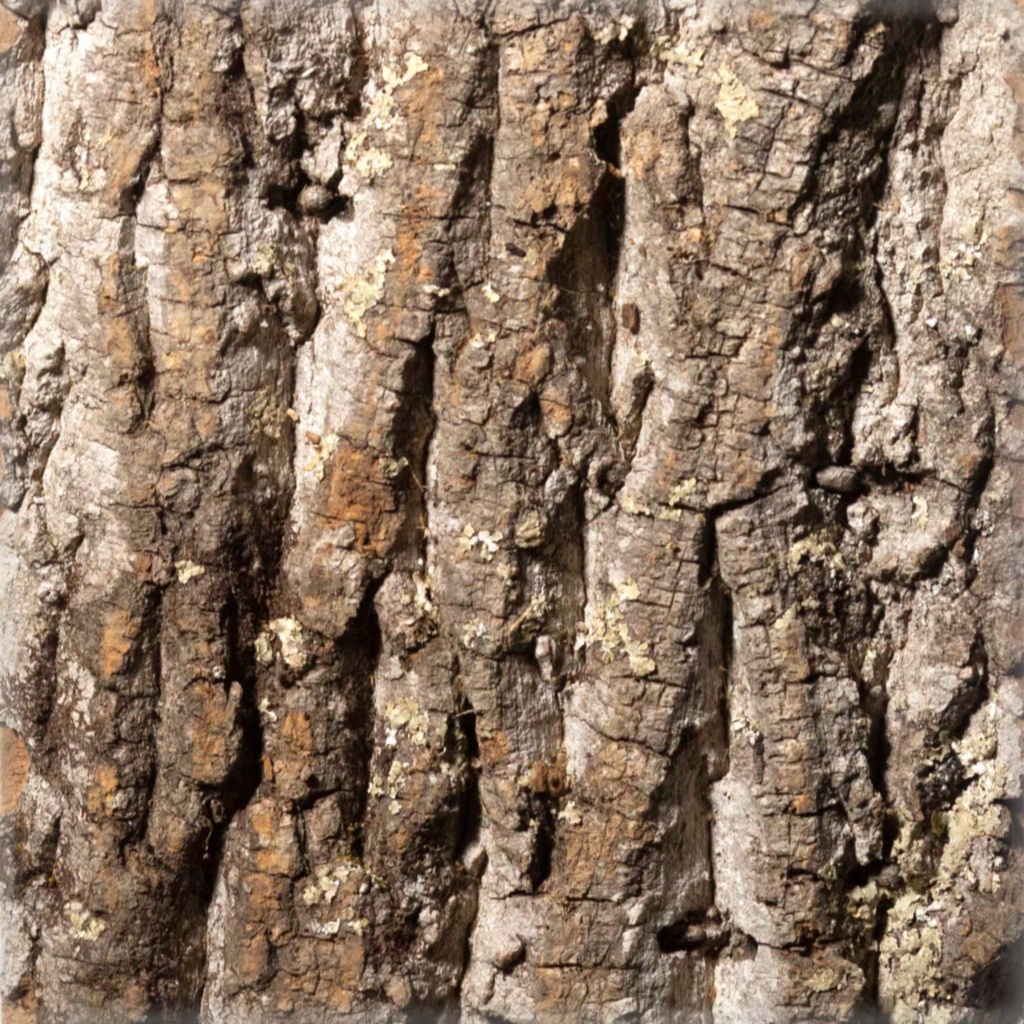
The bark is carefully harvested, dried, and prepared for installation as an exterior siding material. Unlike conventional wood siding, bark siding retains its natural texture, ridges, color variation, and organic appearance.
Each piece is unique.
No two panels look exactly alike, which creates a rich visual depth that manufactured products simply cannot duplicate.
The result is an exterior surface that feels authentic, handcrafted, and naturally connected to the environment around it.
Why Builders and Homeowners Love Poplar Bark Siding
The popularity of natural bark siding continues to grow among custom home builders, architects, and homeowners looking for something beyond traditional siding materials.
Several factors contribute to its appeal.
Authentic Rustic Character
Many rustic products attempt to imitate nature.
This natural cladding material is nature.
The deep texture and natural color variation create a genuine mountain aesthetic that works beautifully on:
- Log homes
- Timber frame homes
- Mountain cabins
- Lake houses
- Hunting lodges
- Outdoor living spaces
- Commercial hospitality projects
The appearance develops naturally without needing artificial distressing or manufactured textures.
Every Installation Is Unique
One of the biggest advantages of natural bark siding is individuality.
Unlike manufactured siding products that repeat the same patterns over and over, each piece of bark cladding displays unique ridges, textures, and color tones.
This creates a custom appearance that adds visual interest across the entire structure.
Blends Beautifully with Other Natural Materials
Natural bark siding pairs exceptionally well with:
- Natural stone
- Log construction
- Timber framing
- Cedar accents
- Heavy timbers
- Metal roofing
- Reclaimed wood features
Many designers use natural bark siding as an accent material combined with other exterior finishes to create visual contrast while maintaining a cohesive natural look.
How Durable Is Poplar Bark Siding?
One of the biggest misconceptions about natural bark siding is that it is fragile or temporary.
In reality, properly harvested poplar bark is remarkably durable.
The outer bark naturally protects trees from weather, insects, and environmental exposure throughout the tree’s life. Those same protective characteristics contribute to its performance as an exterior building material.
When properly installed, this bark cladding can provide decades of service.
Its dense structure helps it resist:
- Moisture exposure
- Insect activity
- Temperature fluctuations
- Natural weathering
Many installations throughout the Appalachian region have remained attractive and functional for decades.
How Does Poplar Bark Siding Perform in Different Climates?
This bark siding material performs particularly well in areas that experience seasonal weather changes.
Mountain regions, wooded environments, lakefront properties, and rural settings often provide ideal conditions.
As with any exterior cladding material, proper installation techniques and moisture management are important.
A properly designed wall system should include:
- Appropriate weather barriers
- Proper ventilation
- Correct flashing details
- Quality installation practices
When these elements work together, poplar bark siding can perform exceptionally well over the long term.
Poplar Bark Siding vs Traditional Log Cabin Exterior Siding
Many homeowners comparing exterior options wonder how natural bark cladding differs from more traditional log cabin exterior siding products.
Each option offers distinct advantages.
Traditional log siding creates a classic log home appearance and often works well when homeowners want the look of full log construction without building with complete logs.
Natural bark cladding, on the other hand, offers a more organic and textured appearance.
It provides:
- Greater visual variation
- Unique natural character
- Distinctive rustic appeal
- Strong architectural interest
- A closer connection to natural surroundings
Many builders even combine bark siding with natural log siding to create custom exterior designs that showcase the strengths of both materials.
Popular Uses for Poplar Bark Siding
While entire homes can be covered in natural bark siding, many homeowners choose to use it strategically as an accent feature.
Common applications include:
Gable Ends
Bark siding adds dramatic visual interest to high gables and roof peaks.
Entryways
Using natural bark siding around front entrances creates a welcoming focal point that immediately establishes the home’s character.
Chimney Surrounds
The natural texture of this bark cladding pairs beautifully with stone and masonry features.
Outdoor Living Spaces
Covered porches, outdoor kitchens, and pavilion structures often benefit from natural bark siding accents.
Interior Feature Walls
Although commonly used outdoors, rustic bark siding accents can also create stunning interior accent walls, fireplace surrounds, and rustic gathering spaces.
Maintenance Requirements
One reason homeowners appreciate natural bark siding is its relatively low maintenance requirements.
Routine maintenance typically includes:
- Periodic visual inspections
- Removing debris buildup
- Monitoring moisture management systems
- Addressing any installation-related concerns promptly
Unlike painted siding systems, natural bark siding does not require regular repainting.
Its natural appearance often improves with age as it weathers and develops additional character.
Is Poplar Bark Siding Right for Your Project?
This natural cladding material may be an excellent fit if you want:
- Authentic rustic character
- Natural materials
- Long-term durability
- Distinctive curb appeal
- A unique mountain or cabin aesthetic
- Exterior finishes that blend into natural surroundings
It is especially popular among homeowners building custom log homes, mountain retreats, lake cabins, and luxury rustic properties.
Choosing Quality Natural Bark Siding Materials
As with any specialty building product, quality matters.
Proper harvesting, preparation, drying, and installation all influence the long-term performance and appearance of this specialty siding material.
Working directly with experienced suppliers can help ensure consistent material quality and reliable results.
For homeowners and builders exploring natural bark siding, log cabin exterior siding, and other siding and exterior cladding options, it is important to source materials from suppliers who understand natural wood products and mountain-style construction. Quality wood products ultimately also depend on strong forestry practices and forest resilience projects that support long-term timber production.
Final Thoughts
Poplar or natural bark siding offers something that few modern building materials can match.
It delivers authentic natural beauty, exceptional texture, lasting durability, and a timeless connection to the landscape.
For builders and homeowners seeking an exterior that feels truly unique, this specialty siding material remains one of the most distinctive options available.
Whether used across an entire structure or as an architectural accent, this bark cladding continues to prove that natural materials can be both beautiful and remarkably durable.
If you are planning a log home, mountain retreat, or rustic cabin project, explore your options for poplar bark siding and natural exterior cladding materials early in the design process. Contact Reliance Timber to discuss the right materials for your build and create a home that feels authentic, timeless, and built to belong in its surroundings.