

D Log Siding vs Half Log Siding: Which One is Right for Your Build?
Building a log home or crafting that perfect cabin-style getaway is a dream for many. As you sketch out your vision and dive into the details, one of the big choices you’ll face is what your home’s exterior will look like and how it will hold up through the years. For a lot of folks, this decision often comes down to choosing between D log siding and half log siding.
When you first glance at them, they might seem similar. Both options bring that wonderful warmth and classic character of a real log home, but without all the heavy lifting of full log construction. Yet, there are some pretty important differences hiding beneath the surface. These distinctions can genuinely impact everything from how easy they are to install and the overall cost to how much maintenance they’ll need down the road and the final look of your home.
If you’re working from a set of plans, designing a custom home from scratch, or just gathering up the materials for a big project, really understanding these two choices will help you pick the perfect one right from the start.
What Is D Log Siding?
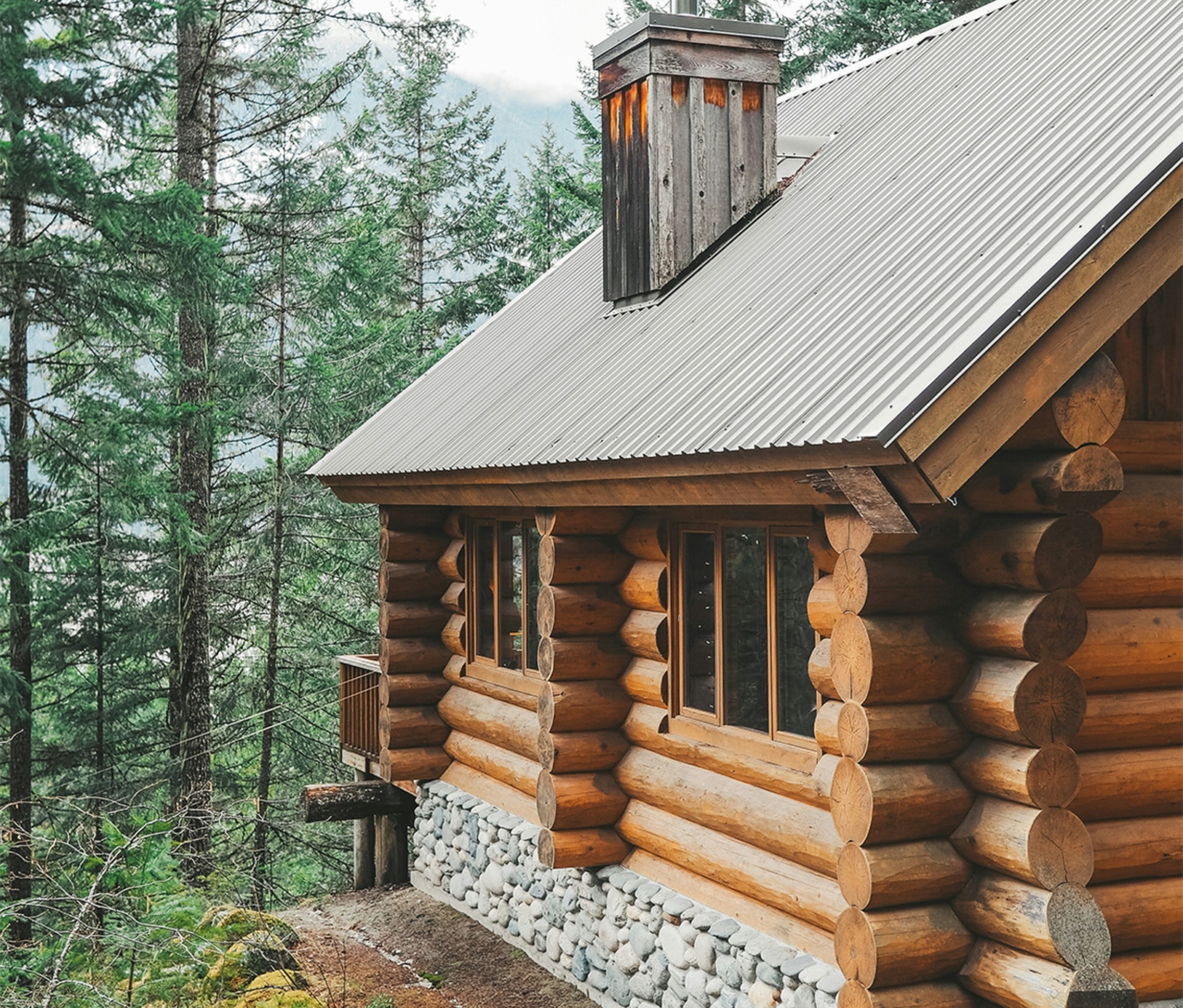
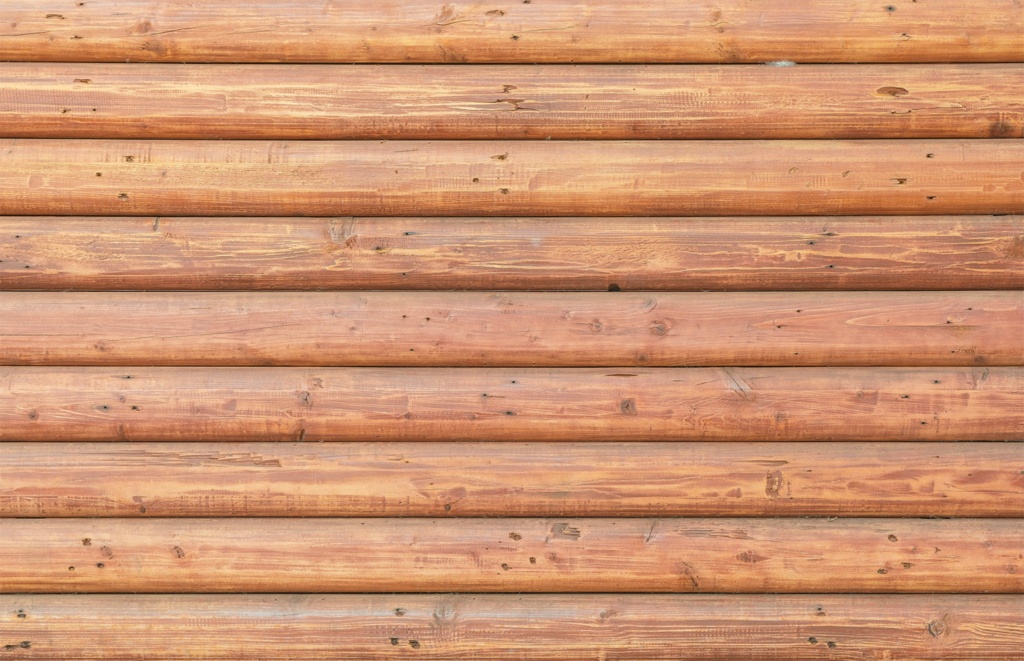
Imagine a beautiful, classic log home. D log siding is crafted to give you that very same look, but it comes with a clever twist: a flat back that makes installation much simpler. Each board has a lovely, rounded front, perfectly creating that iconic log profile you’re dreaming of. The magic happens on the back, where it’s perfectly flat, allowing it to fit smoothly and directly onto your home’s standard wall framing.
This style has become a real favorite among homeowners and builders alike, whether they’re working on brand new constructions or giving an older place a fresh log cabin facelift. It’s because D log siding delivers such an authentic log look without the extra complexity that comes with building a full log structure.
Key Characteristics of D Log Siding
- It has that classic, rounded exterior face that makes it look just like full logs.
- The flat back makes for a truly straightforward installation process.
- You’ll typically find it with a tongue and groove profile, which helps create a snug, tight fit between each piece.
- It comes in a variety of wood species and different sizes, so you can really tailor it to your specific design ideas.
Because of its smart design, D log siding is a fantastic choice for anyone who wants that genuine log home aesthetic without needing to change their home’s existing structural system.
What Is Half Log Siding?
Just like its name suggests, half-log siding is made from real logs that have been carefully split right down the middle. Each piece beautifully keeps the natural curve and rugged charm of the original log on the outside, while having a perfectly flat inside surface ready for mounting.
This option truly leans into an even more rustic and natural appearance. It often celebrates all those wonderful organic variations in the wood, the unique grain patterns, the knots, and the subtle imperfections, making every single installation feel completely one-of-a-kind.
Key Characteristics of Half Log Siding
- It’s cut straight from real logs, meaning it proudly shows off the wood’s natural grain and shape.
- You’ll notice a more pronounced, deeper curvature compared to D log siding.
- It features a flat interior surface, ready for easy installation.
- People often choose it for projects where they’re aiming for a traditional or handcrafted look.
Half log siding can be a wonderful choice for those cozy cabins, grand lodges, or any project where you desire a more rugged, deeply natural feel that speaks to the heart of the wilderness.
D Log Siding vs Half Log Siding: Key Differences
While both wonderful options certainly fall under the big umbrella of log cabin siding choices, there are a few important distinctions you’ll want to really think about.
1. Appearance and Style
D log siding usually offers a look that’s a bit more uniform and refined. The careful milling process ensures a clean, beautifully balanced exterior that very closely mimics the look of a full log construction. It’s consistent and polished.
Half log siding, on the other hand, often boasts much more natural variation. Since it comes directly from split logs, it truly highlights all those unique knots, striking grain patterns, and natural inconsistencies that add so much character and charm.
If your heart is set on a really polished, classic log home appearance, D log siding might just be your perfect match. But if you’re dreaming of a more rustic, handcrafted feel, half-log siding could align much better with your vision.
2. Installation Process
Both types of siding are much simpler to install than building with full logs, but there are still some noticeable differences in how they go up.
D log siding is typically milled with incredible precision, often featuring smart profiles like tongue and groove. This clever design allows for much faster installation and helps create a super-tight, secure seal between each board, which is great for energy efficiency.
Half-log siding might ask for a little more care and attention during installation because of its beautiful natural variations. It can still be installed very efficiently, of course, but it might not have the same level of perfectly uniform fit and finish that you’d find with D log siding.
For builders who are working with detailed plans or have specific timelines to meet, D log siding often offers a more predictable and streamlined installation journey.
3. Cost Considerations
The cost can certainly change quite a bit depending on the wood species you choose, the size of the siding, and how readily available it is. However, there are some general trends worth noting.
D log siding is usually more friendly on the budget, thanks to its standardized milling process and consistent sizing. It’s designed for efficient production, which really helps keep both manufacturing and installation costs manageable.
Half-log siding can sometimes be a bit more expensive. This is often because it uses larger, more substantial portions of raw logs and can sometimes involve a little more material waste during the processing.
If you’re working within a clearly defined budget for your project, D log siding often provides a bit more flexibility and helps keep things on track.
4. Maintenance and Performance
Both wonderful options absolutely require proper sealing, staining, and ongoing maintenance to ensure they perform beautifully and last for many years. However, the actual surface profile can play a role in how you approach that upkeep.
D log siding, with its smoother and more uniform surface, tends to be a bit easier to maintain and refinish when the time comes.
Half log siding, with its deeper curves and greater natural variation, might ask for a little more focused attention when you’re staining and sealing, ensuring every nook and cranny is protected.
In either scenario, choosing the right wood species for your climate and maintaining a consistent, proper finish system will be critical for the long-term durability and beauty of your siding.
How to Choose the Right Option for Your Build
Picking between D log siding and half log siding really comes down to thinking through a few key things about your project.
Your Design Goals
Take a moment to truly picture the final look you’re hoping to achieve. Are you dreaming of a clean, beautifully consistent log home style, or are you drawn to a more natural, rugged, and rustic cabin feel? Let your vision guide you.
Your Budget
It’s good to remember that both the material costs and the installation labor can vary. Understanding your budget early on will really help you narrow down your options and avoid any surprises later in the building process.
Your Build Process
If you’re working directly from detailed blueprints or collaborating closely with a professional builder, the ease of installation and the consistency of the material might become bigger factors in your decision. D log siding often fits very well with structured builds and firm timelines.
Your Long-Term Plan
Think about how much maintenance you’re comfortable taking on and how you expect your siding to perform in the specific climate where you live. The good news is that both options, when properly installed and regularly maintained, can easily last for many, many decades.
Sourcing the Right Materials
No matter which incredible option you ultimately choose, making sure you source high-quality materials is crucial. The long-term performance and beauty of your siding depend not just on the style you pick but also on the quality of the wood species, how well it’s milled, and the overall consistency of the product you receive.
If you’re working from a detailed set of plans or embarking on a custom-building project, it’s important to partner with a supplier who truly understands how to translate your unique design into a complete and perfect materials package.
You can explore all the available profiles, different wood species, and various configurations on Reliance Timber’s product pages to discover the perfect fit for your specific project.
Final Thoughts
Both D log siding and half log siding offer some strong advantages, and the truth is, there’s no single answer that fits everyone.
D log siding shines for its amazing consistency, the straightforward installation process, and its ability to beautifully replicate that full log home look with great efficiency.
Half log siding brings a truly natural, rustic character that can make any project feel incredibly unique and wonderfully handcrafted.
Ultimately, the right choice for you will depend on your personal goals, the budget you have in mind, and most importantly, how you envision bringing your dream to life.
If you’re ready to take the next step or if you need a little help translating your plans into a clear and comprehensive materials list, remember that working with an experienced supplier can truly make all the difference in your building journey.
Contact us today to discuss your project and let our experts help you choose the perfect D log or half log siding.