

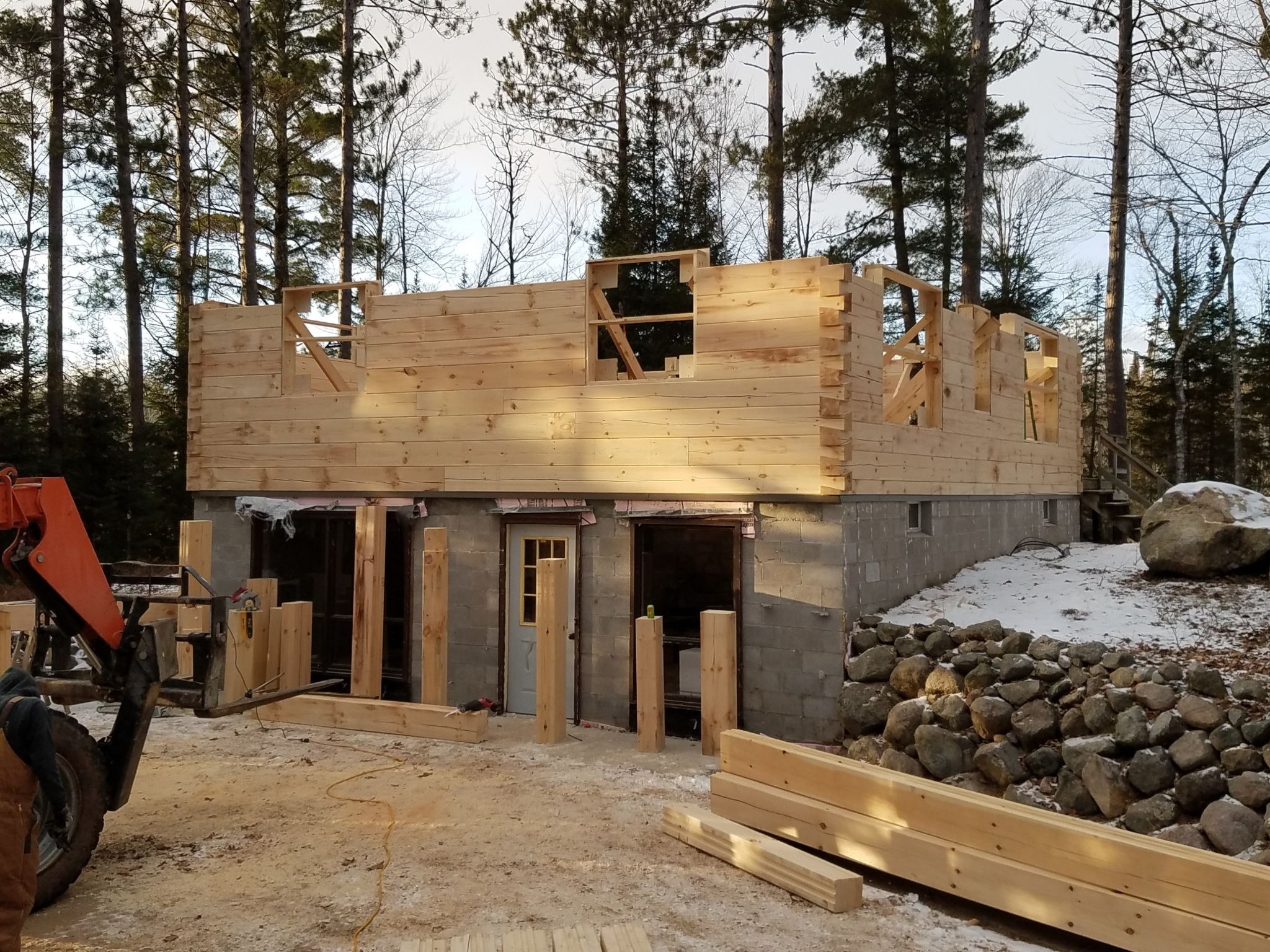
Understanding Log Cabin Lumber Cost: An Honest Mill-Direct Breakdown
Building a log cabin is a dream for many homeowners. Whether you are planning a weekend retreat, a family lake house, or a full-time residence, understanding log cabin lumber cost is one of the first steps in creating a realistic budget. One of the most common questions homeowners ask is simple:
How much does lumber cost to build a log cabin?
The answer is not always straightforward. Lumber prices fluctuate, cabin designs vary, and material choices can dramatically affect the final budget. At the same time, many people wonder why is lumber so expensive? and whether there are ways to reduce costs without sacrificing quality.
The good news is that understanding how log cabin lumber pricing works can help you make smarter decisions and avoid unnecessary markups.
Understanding What Makes Up Log Cabin Lumber Cost
When people think about building a log cabin, they often focus on the logs themselves. In reality, the lumber package includes much more than the exterior walls.
Depending on your design, your material package may include:
- Wall logs
- Floor systems
- Roof framing
- Tongue and groove paneling
- Decking materials
- Timbers and beams
- Stair components
- Porch materials
- Interior trim and finish lumber
The total log home materials cost depends on the size of the structure, the species of wood selected, the complexity of the design, and the level of customization.
A simple cabin with a basic floor plan will naturally require fewer materials than a large custom home with multiple roof lines, vaulted ceilings, and extensive outdoor living spaces.
Why Is Lumber So Expensive?
One of the most common questions homeowners ask is, why is lumber so expensive?
The answer comes down to several factors that influence supply and demand throughout the lumber industry.
Timber Harvesting and Forest Management
Before lumber reaches a sawmill, it begins in carefully managed forests.
Harvesting timber requires:
- Land management
- Equipment
- Skilled labor
- Transportation
- Environmental compliance
All of these costs contribute to the final price of lumber products.
Manufacturing and Processing
Raw logs must be processed into usable building materials.
This process includes:
- Sawing
- Drying
- Grading
- Milling
- Storage
- Quality control
For specialty products used in log homes, additional milling and customization may be required.
Transportation Costs
Lumber is heavy and expensive to transport.
Fuel costs, trucking availability, and shipping distances can all affect pricing. Materials that travel through multiple distributors before reaching the homeowner often accumulate additional transportation expenses along the way.
Market Demand
Housing construction, remodeling activity, natural disasters, and economic conditions can all increase demand for lumber products.
When demand rises faster than supply, prices typically increase as well.
Recent tariffs on Canadian softwood imports, wildfire impacts on major timber-producing regions, and ongoing transportation challenges have all contributed to higher lumber prices in recent years. These market pressures affect everything from framing lumber to specialized log home products.
This is one reason lumber prices can fluctuate significantly from year to year.
What Affects Log Cabin Lumber Cost?
While every project is unique, several factors directly influence log cabin lumber cost.
Square Footage
More square footage requires more lumber.
A 1,000-square-foot cabin will naturally require fewer materials than a larger custom log home.
Log Profile and Wall System
Different log styles and wall systems carry different costs.
Options may include:
- D logs
- Full-round logs
- Hand-hewn styles
- Timber frame components
- Hybrid log and timber construction
Each option has unique manufacturing requirements that affect pricing.
Wood Species
Species selection can influence both appearance and budget.
Popular choices include:
- Eastern White Pine
- Southern Yellow Pine
- Cedar
- Cypress
- Douglas Fir
Each species offers different characteristics related to durability, appearance, availability, and cost.
Interior Features
Many homeowners focus on the shell package but overlook interior lumber requirements.
Features such as:
- Exposed beams
- Tongue and groove ceilings
- Wood wall paneling
- Custom stair systems
can significantly impact overall log home materials cost.
The Hidden Cost of Middlemen
One factor many buyers never consider is the number of companies involved between the sawmill and the final customer.
In traditional distribution models, materials often move through:
- The sawmill
- Wholesale distributors
- Regional distributors
- Retail suppliers
- Building material dealers
Each step typically adds markup.
By the time materials reach the homeowner, the final price may be significantly higher than the original mill price.
This is where understanding mill direct lumber pricing becomes valuable.
How Mill Direct Lumber Pricing Can Save You Money
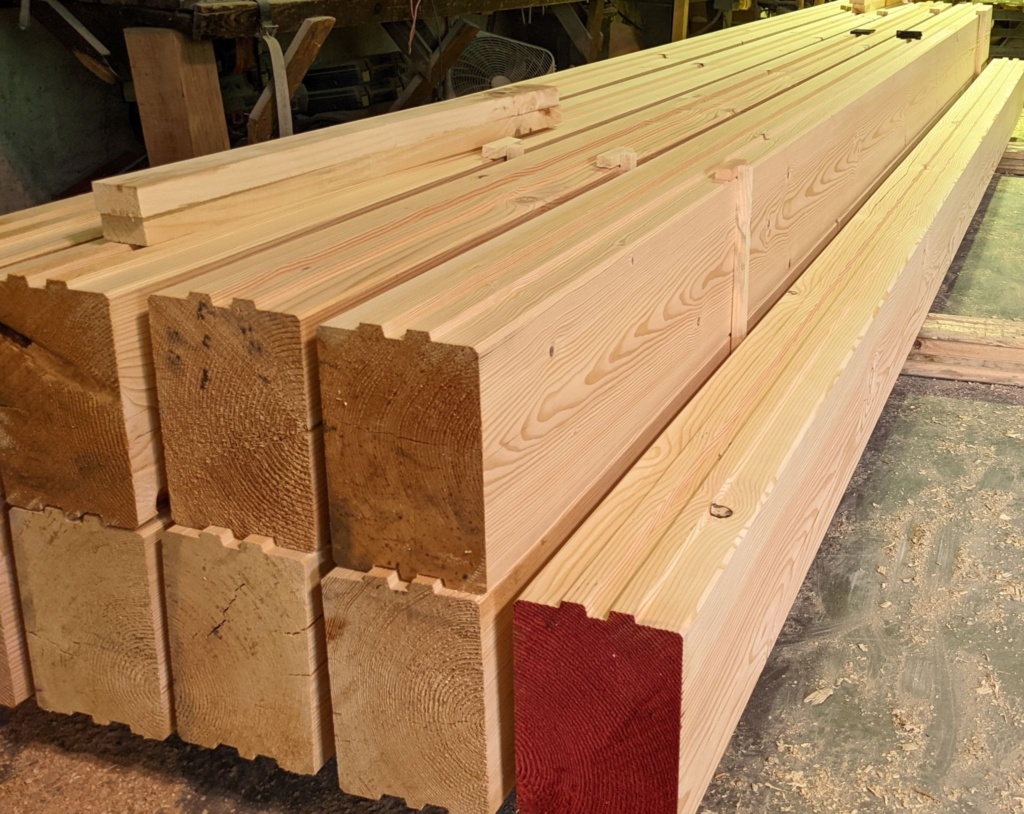
Buying directly from a manufacturer removes several layers of markup.
With mill direct lumber pricing, homeowners gain access to materials closer to the source while often receiving greater transparency regarding product quality and availability.
Benefits can include:
- More competitive pricing
- Better product knowledge
- Greater customization options
- Consistent material quality
- Direct communication with the manufacturer
Instead of paying multiple markups throughout the supply chain, buyers work directly with the people producing the materials.
For many log cabin projects, this approach can create meaningful savings while simplifying the purchasing process.
How Wood Species Impacts Log Cabin Lumber Cost
One of the biggest factors affecting log cabin lumber cost is the species of wood you choose. Different species offer unique characteristics, appearances, and performance benefits, which can significantly influence your overall budget.
Eastern White Pine
Eastern White Pine remains one of the most popular choices for log homes. It offers a classic rustic appearance, accepts stain beautifully, and provides excellent versatility for logs, tongue and groove paneling, shiplap, and other interior applications.
Because of its availability and workability, Eastern White Pine is often an attractive option for homeowners looking to balance quality and value.
Douglas Fir
Douglas Fir is known for its strength and dimensional stability, making it a preferred choice for structural applications such as beams, rafters, and timber framing components.
Its exceptional performance characteristics make it a premium option for projects that require long spans and structural integrity.
Western Red Cedar
Western Red Cedar is valued for its natural resistance to decay, insects, and weather exposure. Its rich color and distinctive grain make it a popular choice for exterior siding, outdoor structures, and accent features.
While cedar often carries a higher price point, many homeowners appreciate its durability and long-term performance.
Choosing the right species for each part of your project can help control log home materials cost while ensuring your cabin performs well for decades to come. Research also highlights the environmental and economic benefits of wood products, making wood a practical long-term building material for many homeowners.
Looking Beyond the Initial Price Tag
The cheapest material package is not always the best value.
Quality matters.
Lower-quality lumber can lead to:
- Excessive waste
- Installation challenges
- Structural issues
- Higher maintenance costs
- Future repairs
When comparing quotes, it is important to understand exactly what is included.
Ask questions such as:
- Is the lumber kiln dried?
- What species is being provided?
- What grade of lumber is included?
- Are beams and timbers included?
- Are interior materials included?
- What level of customization is available?
A complete and accurate comparison often reveals differences that are not obvious from price alone.
Planning Your Budget More Accurately
One of the best ways to estimate your project cost is to begin with a detailed material package.
Rather than relying on rough online estimates, work with a supplier that understands log home construction and can provide project-specific recommendations.
This helps eliminate surprises and gives you a clearer understanding of:
- Material requirements
- Shipping costs
- Custom options
- Long-term value
A well-planned package also helps builders and contractors provide more accurate construction estimates.
Whether you are considering a custom design or reviewing different log cabin kit options, understanding your material needs early can make the entire building process smoother and more predictable.
Log Cabin Kit Packages vs. Buying Materials Direct
Many homeowners begin their search by exploring log cabin kit packages. Kits can simplify the planning process by providing a coordinated package of materials designed around a specific floor plan.
For some projects, this can be an excellent solution.
However, custom projects often require more flexibility than a standard kit can provide.
When you purchase materials directly from a mill, you gain greater control over:
- Wood species selection
- Log profiles
- Lumber grades
- Structural timber specifications
- Interior and exterior finish materials
Working directly with the manufacturer can also eliminate multiple layers of markup that may exist within traditional distribution channels.
For larger projects, the savings associated with mill direct lumber pricing can be substantial. Just as importantly, homeowners gain access to expert guidance when selecting materials that fit both their vision and budget.
If you are considering a cabin package, it is worth comparing a kit option alongside a custom mill-direct material package before making a final decision.
Questions to Ask Before Comparing Lumber Quotes
Not all lumber quotes are created equal.
Before comparing suppliers, make sure you understand exactly what is included in each proposal.
Ask questions such as:
- What wood species is being quoted?
- Is the lumber kiln dried or green?
- What lumber grades are included?
- Are beams, timbers, and specialty components included?
- Is shipping included in the quoted price?
- What lead times should be expected?
- Are custom dimensions and profiles available?
A quote that appears less expensive at first glance may not include the same level of quality, customization, or service as another proposal.
Taking the time to compare details can help you make a more informed decision and avoid unexpected costs later in the building process.
How Mill-Direct Purchasing Reduces Log Cabin Lumber Cost
As building costs continue to rise, many homeowners are looking for ways to maximize value without compromising quality.
Purchasing directly from a trusted manufacturer offers a practical solution.
Instead of navigating multiple suppliers and markups, buyers can work with experienced professionals who understand log home construction and can help match materials to the project’s goals and budget.
For anyone researching log cabin lumber cost, this direct approach often provides both financial and practical advantages.
Working directly with the mill also provides greater visibility into material quality, species selection, and customization options that may not be available through traditional retail channels.
Get Expert Help Understanding Log Cabin Lumber Cost
If you’re researching log cabin lumber cost, the best place to start is with a detailed material package tailored to your project.
At Reliance Timber, we provide high-quality mill-direct lumber, logs, timbers, siding, and custom building materials for log homes across the country. Through our partnership with Log Cabin Supply, we help homeowners simplify the buying process and gain access to the materials they need without unnecessary markups.
Whether you are exploring log home kit packages, comparing wood species, or evaluating custom building materials, our team can help you understand your projected log cabin lumber cost and identify opportunities to save through mill direct lumber pricing.
Explore our log home kit packages, compare material options, and contact our team to discuss your project. Whether you’re planning a small cabin or a custom log home, we can help you make informed decisions about your investment and avoid unnecessary costs throughout the building process.
Contact us today to learn how mill direct lumber pricing can help reduce your overall log home materials cost while maintaining the quality, craftsmanship, and long-term value your project deserves.